
An Italian dinner does not have to begin when the main course arrives. One of the pleasures of Italian hospitality is the transition into the evening: a drink, something small to eat, conversation beginning to stretch and the sense that nobody needs to rush. Cavanis wants its wine and beer offer to help create that rhythm in Farnham Common.
Aperitivo is less about a rigid formula than a change of pace. A sparkling wine, a bitter aperitif or another light drink can mark the end of the working day and the beginning of dinner. Food might be simple and salty, designed to wake the appetite rather than replace the meal. Even when Cavanis is not reproducing a traditional aperitivo programme, that philosophy can influence how guests are welcomed.
Wine then becomes part of the food story. Pairing is often made to sound more complicated than it needs to be. Acidity can refresh the palate after rich cheese or tomato. Tannin can interact with protein and fat. Aromatic whites can complement herbs and seafood. Lighter reds can sit comfortably beside pizza and pasta without dominating them. The practical question is always the same: does the combination make the next mouthful more enjoyable?
Italian wine is particularly exciting because the country offers enormous regional diversity. Grapes, climates and traditions change dramatically from north to south and from coast to inland hills. A concise restaurant list can therefore offer variety without becoming a book. Cavanis intends to select wines that are understandable at the table while still giving curious guests something new to discover.
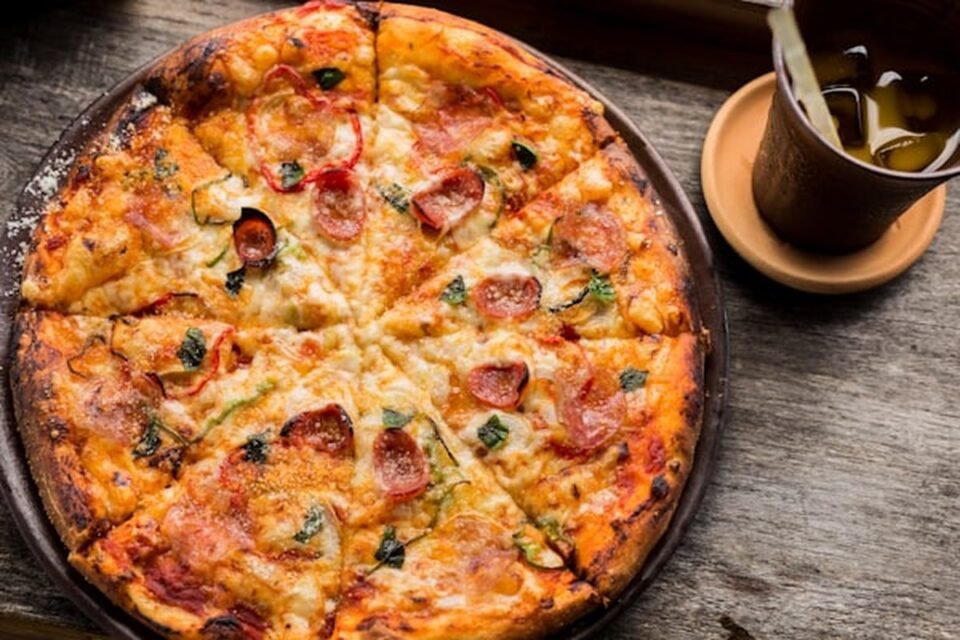
Pizza is often underestimated as a wine food. Tomato brings acidity, mozzarella brings fat and salt, char brings bitterness and toppings can move from delicate vegetables to spicy cured meat. Those elements create plenty of pairing possibilities. A bright red can be excellent with a classic tomato-led pizza; sparkling wine can cut through richer toppings; whites can work beautifully with lighter cheeses and vegetables.
Fresh pasta opens another set of possibilities because the sauce usually drives the pairing. A creamy or cheese-led sauce behaves differently from a slow-cooked ragù. Tomato changes the equation again. Herbs, mushrooms, seafood and chilli each pull a wine in another direction. The Cavanis team can use recommendations to make the list feel approachable rather than prescriptive.
Italian beer deserves equal respect. A cold lager beside a blistered wood-fired pizza is one of the simplest restaurant pleasures. Carbonation refreshes, bitterness can balance richness and the temperature contrast works particularly well with a pizza arriving hot from the oven. For customers who prefer beer to wine, Cavanis wants the choice to feel intentional rather than secondary.
The last glass is also part of hospitality. Some guests will finish with coffee; others may want dessert, a digestivo or simply a little more wine while conversation continues. The restaurant’s role is not to push people through a sequence but to let the evening find its own length. That is part of the difference between feeding customers and hosting them.
For delivery and collection, drinks and food create a different occasion. Pizza at home with Italian beer can still feel recognisably Cavanis. Pasta, sides and dessert can turn a takeaway into dinner rather than convenience food. The direct ordering website provides the route for those evenings, while the Journal can help customers understand the combinations before they choose.
As the final Cavanis menu and drinks list are completed, specific bottles, regions and pairings can be added to this Journal. That is why the current blog avoids inventing a cellar that has not yet been finalised. Premium hospitality depends on accuracy as much as aspiration. Once a wine is on the list, we can tell its real story.
The larger point is simple. Cavanis is being built around the whole Italian meal. The oven matters. The pasta bench matters. So does the glass beside the plate. From the first drink to the final sip, each element can make the table feel more generous, more relaxed and more Italian.
Service has a role in making drinks approachable. A recommendation should begin with what the guest enjoys and what they are eating, not with a lecture. Someone who normally orders a familiar lager or a particular style of red wine should be able to describe that preference and receive a useful suggestion. Confidence at the table comes from clarity, not jargon.
The Journal can support that experience before a guest arrives. Future articles can introduce wine regions, explain why acidity matters with tomato, compare styles of Italian beer and suggest simple pairings for Cavanis dishes. Education works best when it increases enjoyment, so these stories will remain practical and connected to the real menu rather than becoming abstract wine theory. The objective is simple: help guests choose with more confidence, discover something they enjoy and understand why a particular glass can transform the character of a familiar plate.
Continue the Cavanis experience
Visit the restaurant website for Cavanis in Farnham Common, or order directly for delivery and collection.