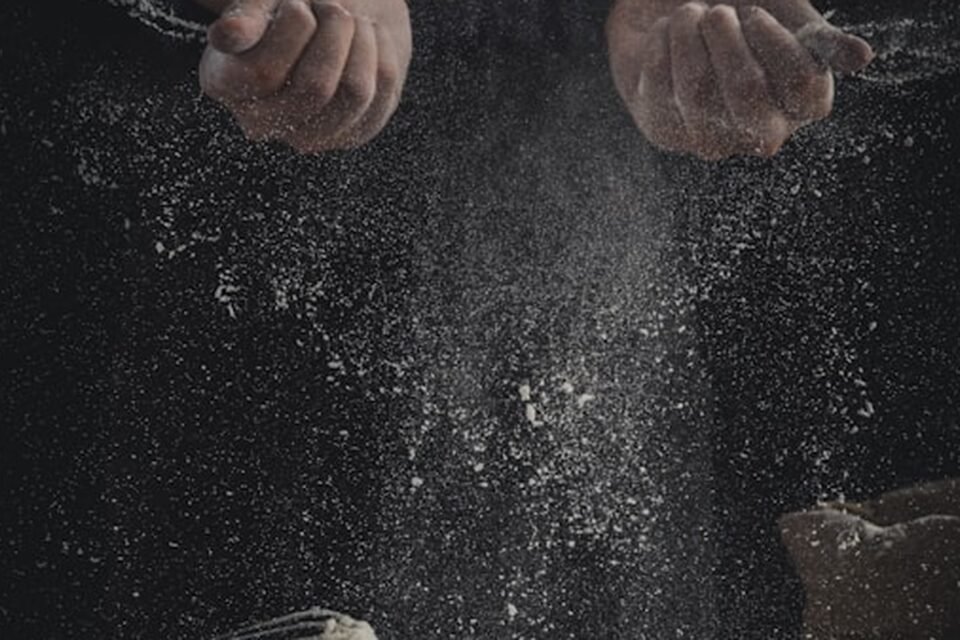
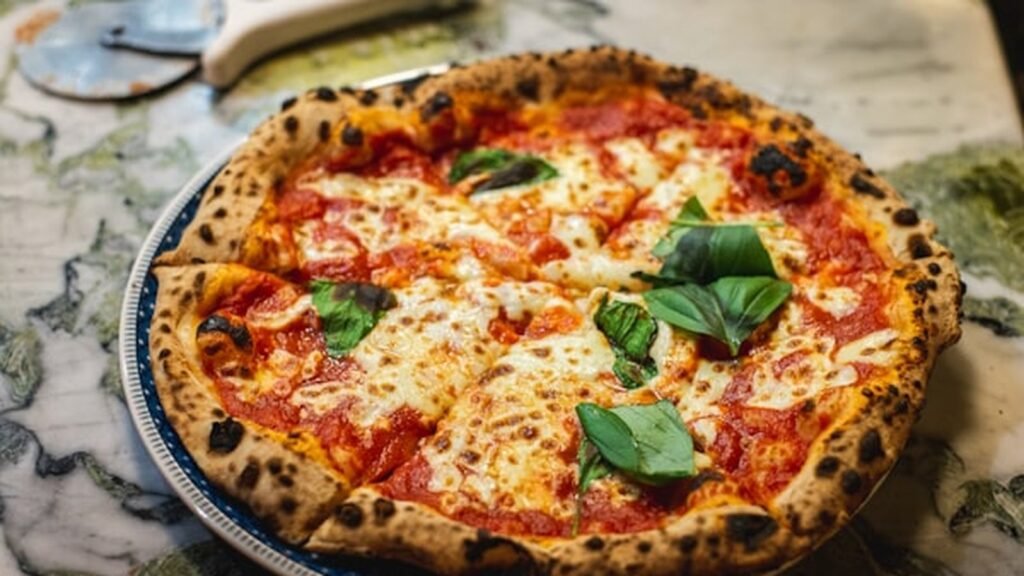
A wood-fired oven is visually dramatic, but the flame is only the final chapter of a much longer process. Great pizza begins with dough, and dough begins with patience. Cavanis treats the oven not as a prop but as a precision tool: intense heat that exposes every decision made during mixing, fermentation, stretching and topping.
Fermentation is where flour, water, salt and yeast begin to develop flavour and structure. Time allows enzymes and yeast to transform the dough, creating aroma and the gas that will expand rapidly in the oven. A rushed dough can bake, but it rarely has the same depth or relaxed handling. The Cavanis approach is to give the dough the time it needs rather than forcing production to fit an arbitrary shortcut.
Temperature matters throughout. Dough that is too cold can resist stretching; dough that becomes too warm can lose strength. The pizzaiolo learns to judge readiness by feel and appearance. Each ball should open without being crushed, retaining the air that later creates a light, irregular cornicione. Stretching is therefore not simply about making a circle. It is about moving the dough while protecting the fermentation already inside it.
Toppings require restraint. A pizza is not improved automatically by adding more. Tomato needs enough concentration to taste vivid after a fast bake. Cheese should melt without flooding the centre. Oils, cured meats, vegetables and herbs each react differently to high heat. Some ingredients belong in the oven; others are better added afterwards. The craft lies in knowing the sequence.
Then comes the fire. The main Cavanis restaurant describes its stone oven as reaching around 450°C, the kind of temperature that transforms dough in a very short period. At that heat, the rim expands, small blisters char and the base sets while the centre stays tender. The pizzaiolo must rotate and monitor constantly because seconds can change the result. Fire rewards attention.
Char is often misunderstood. The dark spots associated with high-temperature pizza are not the same as a burnt, dry crust. When controlled, they contribute toasted bitterness and visual character while the dough remains supple. The balance is delicate: enough heat for lift and flavour, never so much that the pizza loses sweetness or moisture.
Cavanis wants the pizza programme to feel rooted in Italian technique while belonging to a wider Modern Italian Kitchen. That means classics have an important role because they reveal whether the fundamentals are sound. A Margherita leaves nowhere to hide: dough, tomato, cheese, basil and oil must work together. More elaborate pizzas can then build on that foundation rather than compensate for it.
The oven also changes the atmosphere of a restaurant. Guests can hear the work, see the movement and smell the bake. It turns preparation into part of the evening. That energy is reflected in the bolder visual language of the Cavanis Journal — flames, dark backgrounds and rebellious kitchen imagery — but the cooking itself remains disciplined. The attitude can be loud while the technique stays precise.
For takeaway and delivery, the team has another responsibility. Pizza continues to release steam after it leaves the oven. Packaging, venting and journey time affect the crust. The goal is to preserve as much of the intended texture as possible until the box is opened. Direct ordering through the Cavanis ordering website is designed to make collection and delivery straightforward while keeping the restaurant’s own identity at the centre of the customer relationship.
Pizza also has a social quality that suits Cavanis. It can be individual or shared, familiar or adventurous, quick or part of a longer dinner. Add a cold Italian beer, a glass of wine, starters and perhaps a pasta dish for the table, and pizza becomes one part of a complete Italian evening rather than a category on its own.
That is why Cavanis talks about pizza and fire together. Fire is not merely heat. It is the moment when fermentation, ingredient selection and the pizzaiolo’s judgement become visible. The flame may create the spectacle, but patience creates the pizza.
The ingredients around the dough have their own timing. Tomatoes should provide freshness and savoury depth without soaking the base. Mozzarella needs the right moisture. Delicate leaves can be damaged by the oven while cured meats may change dramatically under intense heat. Building a pizza therefore involves thinking like a cook, not simply assembling toppings from a list.
Consistency is the final discipline. A beautiful pizza once is an accident unless the kitchen can reproduce it through changing weather, busy services and different members of the team. Recipes, dough schedules and oven management provide the structure, while the pizzaiolo’s senses provide the final judgement. That combination of system and craft is what Cavanis wants customers to taste. It is also why the Journal will keep returning to the oven: each service provides another lesson in temperature, timing, fermentation and the pursuit of a better bake.
Continue the Cavanis experience
Visit the restaurant website for Cavanis in Farnham Common, or order directly for delivery and collection.