Fresh pasta looks simple because its ingredients are familiar. Flour, eggs, water and salt can become something remarkable, yet the difference between ordinary pasta and beautiful pasta is found in touch, timing and judgement. At Cavanis, that craft is intended to sit at the centre of the Modern Italian Kitchen, giving the chefs a canvas that can change with sauces, seasons and ideas.
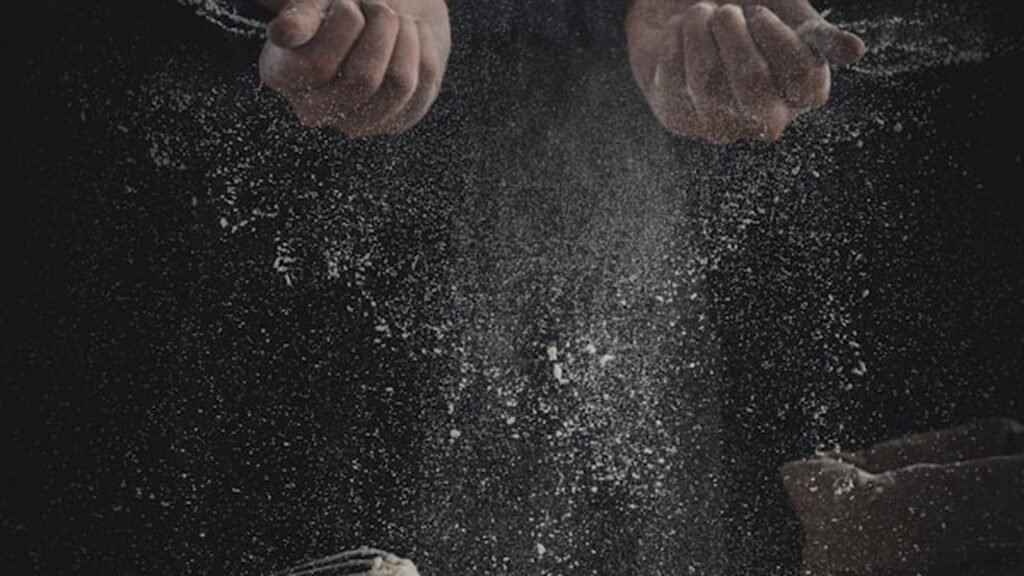
The process begins before a strand is cut. Flour behaves differently according to protein, milling and humidity. Eggs vary in size and richness. A dough that feels perfect on one morning may need a small adjustment on another. Experienced pasta makers learn to read those changes through their hands. The goal is elasticity without toughness and tenderness without weakness — a dough that can be rolled thinly while retaining enough structure to survive the pan and carry sauce.
Resting is part of the recipe. Once mixed and kneaded, pasta dough needs time for moisture to distribute and gluten to relax. Rushing that stage makes rolling harder and can create a finished texture that fights the diner rather than yielding pleasantly. Cavanis approaches these apparently small stages with the same seriousness as the final plating because the quality of a pasta dish is built long before the sauce touches the pan.
Shape matters too. Italian pasta developed regionally because different forms work with different ingredients. Ridges capture robust sauces; ribbons provide broad surfaces for silky emulsions; filled pasta creates a contrast between wrapper and centre. Fresh pasta allows the kitchen to select a shape because it suits the dish, rather than because it happens to be available in a packet. That is one of the freedoms of making pasta as part of the restaurant’s daily craft.
Sauce should not sit on pasta like a separate layer. The final moments in the pan are where the dish becomes one thing. Starchy cooking water, fat, cheese and sauce can be brought together into an emulsion that coats each piece. The pasta may finish cooking in that mixture so it absorbs flavour while retaining bite. This is why a simple bowl of pasta can be more technically demanding than a plate with a dozen components.
Cavanis also wants to preserve the emotional side of pasta. Across Italy, pasta can be weekday food, family food, celebration food and regional identity all at once. Rolling dough evokes kitchens where recipes are learned by watching rather than measuring. Modern restaurants can refine the presentation, but the best plates still carry that sense of generosity. A guest should feel looked after, not merely impressed.
The chefs’ experience in Italy and London gives the pasta programme a useful tension. Traditional technique provides the foundation; contemporary kitchens encourage precision, consistency and the confidence to reinterpret. That does not mean turning every classic into something unrecognisable. Often modern Italian cooking is about editing: using fewer elements, sourcing them better and making each one clearer.
Seasonality will matter as the Cavanis menu develops. Spring might invite greener sauces and lighter fillings. Summer rewards tomatoes, herbs and vegetables at their brightest. Autumn brings mushrooms, squash and deeper savoury notes. Winter welcomes ragù, slow cooking and richer cheeses. Fresh pasta is flexible enough to travel through those seasons while maintaining a recognisable Cavanis identity.
For delivery and collection, pasta creates a different challenge from pizza. Some preparations travel beautifully; others are at their peak immediately after leaving the pan. The kitchen therefore has to think about sauce consistency, packaging, timing and which dishes belong in which service channel. Premium food is not only about the recipe — it is about protecting the intended eating experience until the first forkful.
When Cavanis describes pasta as homemade-style and freshly prepared, the important promise is not nostalgia for its own sake. It is the commitment to treat pasta as a craft. The restaurant wants guests in Farnham Common to see that an Italian kitchen can be recognised by the details: the texture of a ribbon, the way sauce clings, the aroma of cheese, the brightness of herbs and the confidence to serve a dish that does not need to be overloaded.
The Journal will continue to explore individual shapes, sauces and techniques as the menu is finalised. For now, the principle is clear. Pizza brings the fire; pasta brings the hands. Together they allow Cavanis to tell a much broader Italian story.
There is also an important distinction between “fresh” and “complicated”. Fresh pasta does not need an extravagant sauce to justify the work. Butter, cheese, tomato, herbs or a carefully made ragù can be enough when the pasta itself has character. The kitchen’s job is to decide when restraint creates more impact than abundance. That judgement is one of the signatures of mature Italian cooking.
For guests, the proof will always be on the fork. Marketing can explain technique, but texture is immediate. Pasta should arrive glossy rather than dry, seasoned through rather than only on top, and cooked so it has life without becoming tough. Those are small sensations, yet together they are what make a diner stop talking for a moment and take another bite.
Continue the Cavanis experience
Visit the restaurant website for Cavanis in Farnham Common, or order directly for delivery and collection.